Kafir – The One Who Covers Up the Truth
1. What Does "Kafir" Mean?
The word kafir (كَافِر) comes from the Arabic root K-F-R (ك-ف-ر), which means "to cover," "to conceal," or "to suppress." In classical Arabic, the same root is used for a farmer covering seeds with soil, symbolizing hiding something that exists but refusing to acknowledge it.
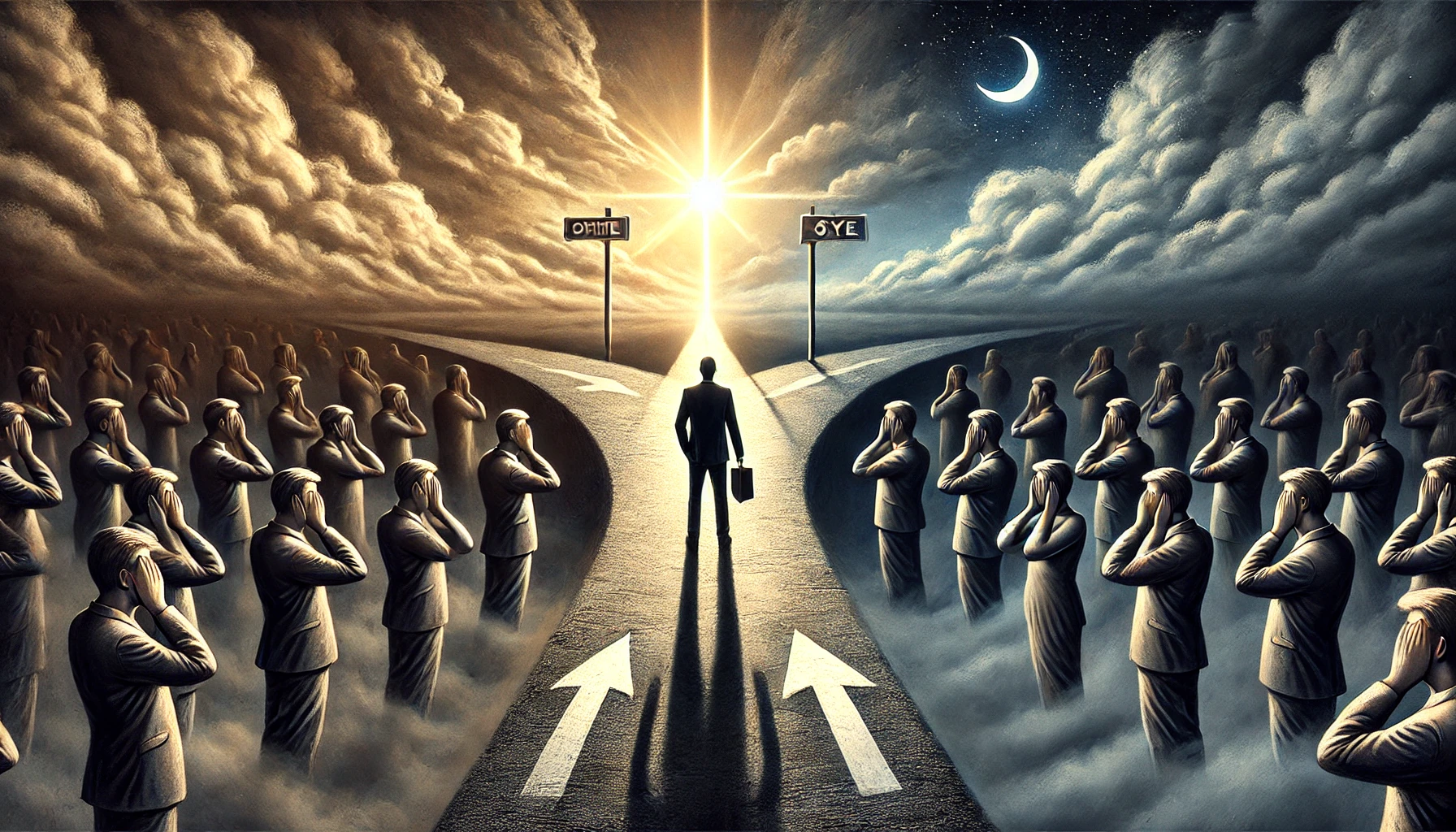
Thus, kafir is not merely an "unbeliever," but someone who deliberately shuts their eyes to the truth. This is different from jahil (ignorant person)—while the jahil is unaware of the truth, the kafir sees it but chooses to reject it.
2. The Qur'anic Description of Kafir
The Qur'an describes kafirs not as people who lack knowledge of the truth, but as those who conceal it out of pride, self-interest, or fear:
📜 Qur'an 2:6-7
"As for those who cover up (kafaru), it is the same whether you warn them or do not warn them—they will not believe. Allah has sealed their hearts and their hearing, and over their eyes is a veil; for them is a great punishment."
➡ They are not ignorant; they are people who consciously refuse the truth.
📜 Qur'an 27:14
"And they denied them (the signs) unjustly and arrogantly, though their souls were certain about them."
➡ They knew the truth but rejected it out of arrogance.
📜 Qur'an 6:33
"We know that what they say grieves you. But it is not you they deny; it is the unjust ones who reject Allah's signs."
➡ They do not reject the truth because they cannot see it, but because accepting it would cost them too much.
3. The Psychological Mechanism of Kafir
When someone rejects the truth, it is often not due to a lack of evidence, but because of internal psychological barriers. Several key factors are involved:
A) Fear of Losing Identity
People attach their beliefs to their personal identity. If someone realizes they have believed in something false, they experience an internal crisis.
➡ Example: A religious leader who sees errors in his doctrine but cannot admit it because he would lose his followers.
B) Ego – The Refusal to Admit Mistakes
Admitting mistakes is one of the hardest things for human psychology, as it directly attacks personal pride.
➡ Example: People who stubbornly defend politicians, even when faced with evidence of corruption, because they don’t want to admit they were deceived.
C) Comfort and Fear of Change
Accepting the truth often means changing one’s lifestyle. Many people know they are on the wrong path, but they refuse to change because it benefits them.
➡ Example: A wealthy businessman who knows the system he profits from is unjust but does nothing to change it.
4. Social Pressure and Fear of Rejection
Many kafirs know the truth but hide it out of fear of societal backlash.
➡ Example:
A scientist discovers that certain data has been falsified but cannot publish the truth because it would cost him his career.
📜 Qur'an 2:159
“Many of them know the truth but conceal it so they do not lose their power and recognition among people.”
➡ Example from religion:
Many theologians know that some traditional teachings are incorrect, but they cannot reject them because their community would ostracize them.
📜 Qur'an 2:174:
“They hide the truth and sell it for a cheap price.”
5. Kafirs in Modern Society
This concept is not limited to religion; it applies to various aspects of life:
A) Political System
People who know their politicians are corrupt but still support them because admitting the truth would mean accepting they were wrong.
Fanatic supporters of any ideology ignore the truth because they don’t want to destroy their worldview.
➡ This is the kafir reflex – you see the truth but cover it up.
B) Science and Medicine
Corporate lobbies hide the truth about harmful effects of certain products for financial gain.
Doctors recommend treatments they know are ineffective because they bring profit.
➡ This is classic truth suppression – the kafir mentality.
C) Religion
Many religious leaders know certain teachings are false but cannot reject them because they would lose authority.
When faced with difficult questions, they ignore them instead of answering.
➡ This is the kafir mentality – they would rather avoid the truth than seek it.
6. Why Are Kafirs "Worse Than Cattle"?
The Qur'an uses the metaphor of cattle to describe people who reject the truth:
📜 Qur'an 7:179
"They have hearts, but they do not understand with them; they have eyes, but they do not see with them; they have ears, but they do not hear with them. They are like cattle—rather, they are even more astray."
Why are they worse than cattle?
➡ Animals act instinctively, but humans have intelligence—and yet some deliberately reject it.
When someone sees the truth but rejects it out of fear, ego, or self-interest, they are consciously abandoning the most precious gift given to them by the Creator—reason. They are not merely "unbelievers"—they are deceivers of themselves.
7. How to Overcome the Kafir Mentality?
Do not let ego block the path to truth.
Admit when you are wrong—it is a sign of strength, not weakness.
Be ready to lose status if it means staying true to the truth.
Ask questions, even if they lead to uncomfortable answers.
➡ "The truth will set you free." (John 8:32)
➡ "Whoever seeks wisdom, it will be given to them." (Qur'an 2:269)
Conclusion:
Kafir is not just a disbeliever, but someone who consciously covers up the truth out of pride, self-interest, or fear. This is not limited to religion—kafirs exist in politics, science, medicine, and all areas of life.
The problem is not in the evidence—the problem is that their ego will not allow them to accept it.
The kafir mentality is the greatest obstacle to truth, but those who are willing to face it, no matter the consequences, are on the right path.