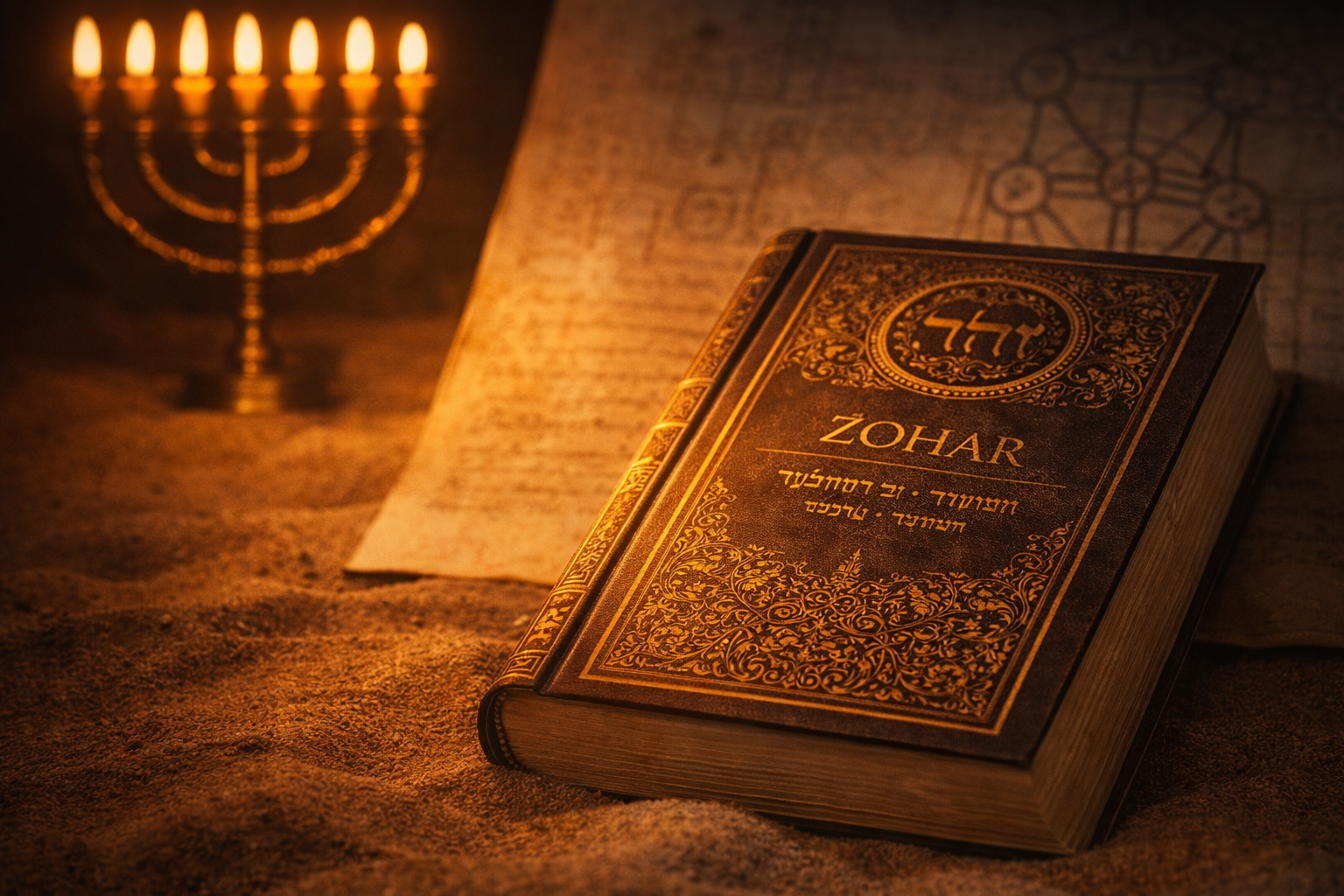
Zohar

The Zohar, one of the most profound and influential texts in Jewish mysticism, serves as the foundation of Kabbalistic thought and offers a window into the mysteries of creation, the nature of God, and the hidden structure of the universe. Traditionally attributed to Rabbi Shimon bar Yochai, a sage from the 2nd century CE, the Zohar was revealed to a wider audience in the late 13th century through the work of Rabbi Moses de León. Its teachings explore the concept of Ein Sof—the Infinite Divine—and the sefirot, or emanations, through which God interacts with the world, embodying principles of justice, mercy, wisdom, and beauty.

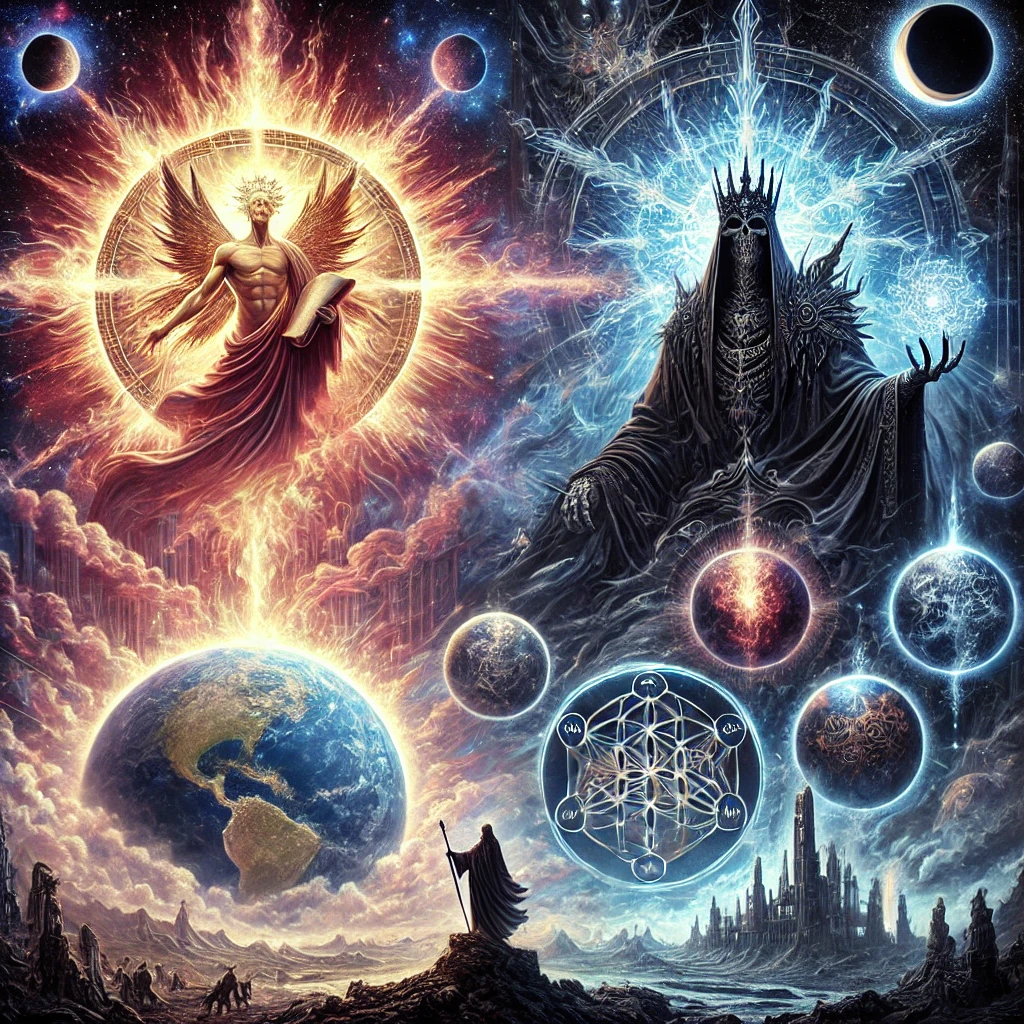
Exploring the Nature of God: Beyond Names and Attributes

Exploring the Nature of God: Beyond Names and Attributes in Kabbalistic, Islamic, Apocryphal, Hermetic, and Zoharic Teachings


Introduction

The journey to comprehend the Divine spans centuries and cultures, from Jewish mysticism to Islamic theology, Hermetic philosophy, and various apocryphal texts. This exploration brings together insights from Kabbalistic thought, particularly the teachings of the Zohar and the Ramchal, as well as perspectives from Islamic, Kolbrin, and Hermetic sources like The Kybalion. In these traditions, the Divine is seen as both profoundly near and utterly beyond reach—manifesting through attributes and names yet remaining unfathomable in essence.

The World of Death vs. The Source of Life

The World of Death vs. The Source of Life: The Hidden Kingship and the Nature of Divine Authority


Introduction

Throughout religious and mystical traditions, the question of divine authority, governance of this world, and the nature of the supreme source has been the subject of deep contemplation. The Hebrew Bible, Zohar, and Lurianic Kabbalah contain veiled insights into the distinction between the transcendent God (El Elyon, the Source of All) and the active divine figures who govern the lower realms. Among them, Yahweh, the Elohim, and Samael play significant roles. This lecture will explore these themes, integrating scriptural, mystical, and philosophical perspectives.

The Self-Limited Creator: Free Will in Sacred Texts

Introduction

In attempting to understand suffering, evil, and the contradictions within sacred texts, the human mind often turns to two logical hypotheses:

General

Home

About Us

Contact Us


Books Of Ellah

Torah 

Qur'an

Gospel

Kolbrin Bible

Apocrypha

Zohar

Talmud


Light In The Darkness

Test In The Books
This World Is A Test
Criticsm Of The Books